
When to Repair vs Replace Your Boiler: A Homeowner’s Guide
June 9, 2026
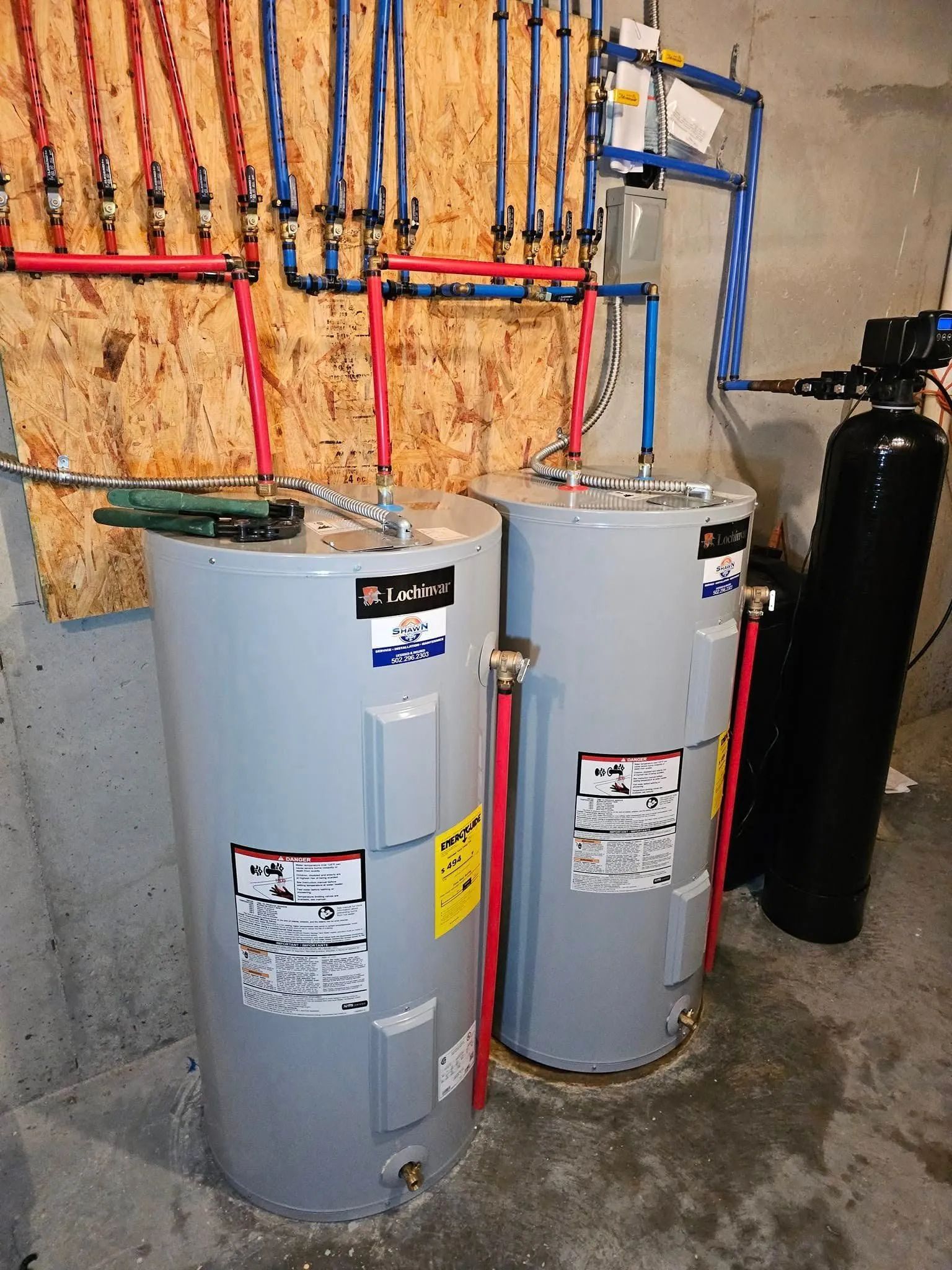
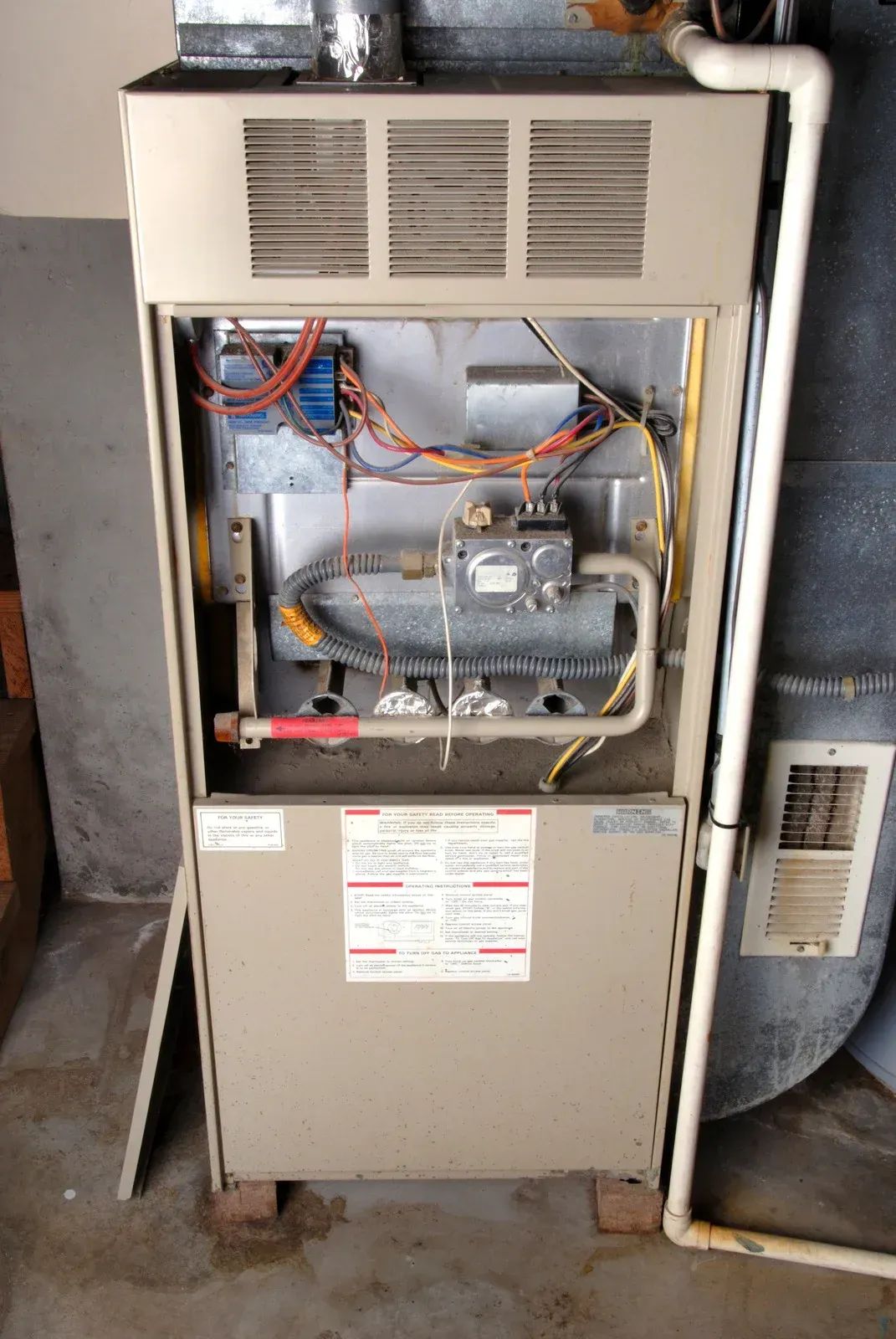
A boiler is one of the most important systems in any home, providing reliable heating and, in many cases, hot water throughout the year. When a boiler begins to show signs of trouble, homeowners are often faced with a difficult decision: should the unit be repaired or replaced entirely? While a repair may seem like the most affordable option in the short term, repeated breakdowns and declining efficiency can quickly increase operating costs. On the other hand, replacing a boiler requires a larger upfront investment, making it essential to evaluate the situation carefully before making a decision. Understanding the factors that influence repair and replacement choices can help homeowners protect both their comfort and their budget.
As heating technology continues to evolve, modern boilers offer greater efficiency, improved reliability, and enhanced energy savings compared to older systems. However, replacement is not always necessary when problems arise. Some issues can be resolved through professional repairs that restore performance and extend equipment life. The key is knowing how to assess the age, condition, efficiency, repair history, and overall performance of the system. By understanding the advantages and limitations of both options, homeowners can make informed decisions that support long-term comfort, energy efficiency, and financial value. This guide explores the most important considerations when deciding whether to repair or replace a residential boiler.
Understanding Your Boiler’s Expected Lifespan
How Long Do Residential Boilers Typically Last?
Most residential boilers have an average lifespan of 15 to 20 years, depending on the quality of installation, maintenance practices, water conditions, and usage patterns. High-quality systems that receive annual maintenance often remain operational for longer periods, while neglected units may experience significant issues much earlier.
Age alone does not determine whether replacement is necessary, but it serves as an important starting point when evaluating a boiler's future reliability. As systems age, components wear out, efficiency decreases, and replacement parts may become harder to obtain.
Factors That Influence Boiler Longevity
Several factors contribute to how long a boiler remains dependable:
- Annual maintenance and inspections
- Water quality and mineral content
- Proper installation practices
- Frequency of use
- System sizing and design
- Ventilation and operating conditions
A well-maintained boiler may continue operating safely beyond its expected lifespan, while poorly maintained equipment may require replacement much sooner.
When Age Becomes a Warning Sign
If a boiler is approaching or exceeding 15 years of service and begins experiencing recurring problems, replacement often becomes a more practical investment. While occasional repairs remain normal throughout a boiler's life, frequent failures in an aging system usually indicate deeper issues that may continue to worsen.
Signs That a Boiler Repair Makes Sense
Minor Issues with Straightforward Solutions
Not every boiler problem requires a complete system replacement. Many common issues can be repaired quickly and affordably when diagnosed early.
Examples include:
- Faulty thermostats
- Broken circulation pumps
- Pressure fluctuations
- Air trapped in radiators
- Ignition failures
- Minor valve replacements
When these problems occur in an otherwise healthy boiler, repairs often provide excellent value.
Recent Equipment with Limited Wear
Boilers that are less than 10 years old generally remain good candidates for repair. Since these systems still have substantial service life remaining, investing in repairs often makes financial sense.
For example, a homeowner with an eight-year-old boiler experiencing a pump failure may spend significantly less on repairs than on a full replacement while still enjoying many additional years of operation.
Repair Costs Remain Reasonable
Many HVAC professionals follow a practical guideline known as the "50 percent rule." If the repair cost is less than 50 percent of the replacement cost and the boiler still has significant life remaining, repairs often represent the better option.
This approach helps homeowners avoid replacing equipment prematurely while maximizing the value of their existing system.
Benefits of Choosing Repairs
When appropriate, repairs offer several advantages:
Lower Immediate Cost
Repairs typically require less upfront spending than a complete boiler replacement.
Faster Resolution
Many repairs can be completed within a single service visit, restoring heating quickly.
Extended Equipment Life
Addressing issues promptly can add several years of dependable performance to an existing system.
Reduced Disruption
Repairs generally involve less labor and minimal changes to existing piping or infrastructure.
Warning Signs That Replacement May Be the Better Choice
Frequent Breakdowns and Recurring Repairs
One of the clearest indicators that replacement should be considered is repeated equipment failure.
When homeowners find themselves scheduling multiple service calls each year, repair costs can accumulate rapidly. More importantly, recurring breakdowns often suggest that several components are reaching the end of their service life simultaneously.
The Cost Cycle Problem
A common scenario involves replacing one component only to experience another failure shortly afterward. Over time, these repeated expenses can approach or exceed the cost of installing a new system.
Rather than continuously investing in aging equipment, replacement may provide a more predictable and cost-effective solution.
Rising Energy Bills
Older boilers generally operate less efficiently than modern units.
As components wear and internal systems degrade, boilers require more fuel to produce the same amount of heat. Homeowners may notice steadily increasing utility bills despite no significant changes in heating habits.
Comparing Efficiency Ratings
Many older boilers operate at efficiency levels below 80 percent. Modern high-efficiency condensing boilers can exceed 90 percent efficiency.
This improvement means a larger portion of fuel is converted into usable heat rather than being lost through exhaust systems.
Difficulty Finding Replacement Parts
As boilers age, manufacturers may discontinue certain components.
When replacement parts become difficult to locate, repairs often become more expensive and time-consuming. Extended downtime can leave homeowners without reliable heat during colder months.
If critical components are no longer readily available, replacement becomes a more practical long-term solution.
Evaluating Safety and Performance Concerns
Uneven Heating Throughout the Home
A properly functioning boiler should provide consistent heating across the property.
If some rooms remain cold while others overheat, the system may be struggling to distribute heat properly. While certain issues can be corrected through repairs, widespread performance problems often indicate aging equipment that is no longer operating as intended.
Comfort Problems That Should Not Be Ignored
Common performance concerns include:
- Cold spots throughout the home
- Delayed heating response
- Frequent pressure changes
- Reduced hot water availability
- Unusual operating noises
These symptoms may signal larger mechanical issues that require a comprehensive evaluation.
Strange Sounds and Visible Corrosion
Boilers should operate relatively quietly.
Banging, whistling, gurgling, or rumbling sounds often indicate internal issues such as sediment buildup, pressure problems, or component wear.
Visible rust and corrosion around the boiler can also suggest ongoing deterioration.
Why Corrosion Matters
Corrosion can weaken heat exchangers, piping connections, and structural components. Once significant corrosion develops, repairs may provide only temporary relief before additional failures occur.
Safety Risks Associated with Aging Boilers
Safety should always remain a top priority when evaluating boiler performance.
Potential concerns include:
- Gas leaks
- Carbon monoxide risks
- Faulty venting systems
- Pressure-related issues
- Electrical failures
When safety-related problems arise repeatedly, replacement often becomes the safest course of action.
How Professional Assessments Help Homeowners Make the Right Decision
Why Expert Evaluation Matters
Boiler decisions should never rely solely on age or a single symptom.
A professional inspection provides valuable insight into the system's overall condition, helping homeowners understand whether repairs can realistically restore performance or whether replacement offers greater value.
What Technicians Typically Evaluate
Professional assessments often include:
- Heat exchanger condition
- Burner performance
- System pressure
- Venting integrity
- Electrical components
- Water quality issues
- Efficiency measurements
This comprehensive approach helps identify hidden concerns that may not be immediately visible.
Real-World Decision Examples
Scenario One: Repair Is the Best Option
A homeowner owns a seven-year-old boiler that suddenly loses pressure. Inspection reveals a faulty expansion vessel requiring replacement. Because the boiler remains relatively new and otherwise performs well, repair represents the most practical solution.
Scenario Two: Replacement Makes More Sense
A homeowner owns an eighteen-year-old boiler with increasing energy bills, multiple recent repairs, corrosion, and inconsistent heating performance. Although another repair is technically possible, replacement offers greater reliability, efficiency, and long-term value.
Creating a Long-Term Heating Strategy
The best boiler decisions support future goals rather than simply addressing today's problem.
Homeowners should consider:
- Future energy costs
- Planned home ownership duration
- Comfort expectations
- Environmental goals
- Maintenance budgets
A long-term perspective often leads to better outcomes and fewer unexpected expenses.
Trusted Boiler Solutions Backed by Decades of Experience
When homeowners need guidance on whether to repair or replace a boiler, working with an experienced HVAC professional can make all the difference. At Service By Shawn HVAC in Jeffersonville, IN, we bring 20 years of industry experience helping homeowners evaluate heating system performance, identify underlying issues, and select solutions that align with their comfort needs and budget goals. Our approach focuses on honest recommendations, detailed system assessments, and quality workmanship that supports long-term reliability.
We understand that every boiler situation is different. Some systems can benefit from targeted repairs that restore performance and extend service life, while others may be better served by a modern replacement that improves efficiency and reduces future maintenance concerns. Our goal is to provide clear information so homeowners can make confident decisions without unnecessary pressure.
From troubleshooting heating issues and performing routine maintenance to installing high-efficiency replacement systems, we are committed to delivering dependable service backed by extensive industry knowledge. Homeowners trust us because we prioritize safety, comfort, energy efficiency, and customer satisfaction in every project. Whether you are facing an unexpected boiler problem or planning for future system upgrades, we offer the expertise and professional guidance needed to keep your home comfortable throughout every season.