
Furnace Blowing Cold Air When the Heat Kicks On? What to Check First
October 20, 2026

Quick Answer:A furnace that blows cold air is usually dealing with one of a handful of problems. The thermostat fan may be set to On instead of Auto, a clogged filter may be tripping the high limit switch, a dirty flame sensor may be shutting the burners down, the gas supply or ignition may be failing, or a duct problem may be cooling the air before it reaches your rooms. Start with the thermostat and the filter, since both take a couple of minutes and need no tools. If the air stays cold after those checks, or you smell gas or see error codes, shut the system down and have a technician diagnose it.
It is a raw October night in Jeffersonville. The first real cold snap of the season finally hit, so you turn the thermostat up, hear the furnace click on, and wait for the warmth to roll in. Instead, the vents push out air that feels like it came straight from the porch. You hold your hand over the register, wait a minute, then another, and the house keeps getting colder while the blower keeps running.
That moment is more common than most homeowners expect, especially in the first week a furnace has to work after sitting idle all summer. The good news is that cold air from a running furnace is rarely a mystery. It follows a short list of causes, and several of them you can rule out yourself in the time it takes to walk to the basement or utility closet.
This guide walks through the checks in the order a technician would make them, explains why each problem happens, and points out where a quick look turns into a job that needs a professional.
Start With the Thermostat Before You Blame the Furnace
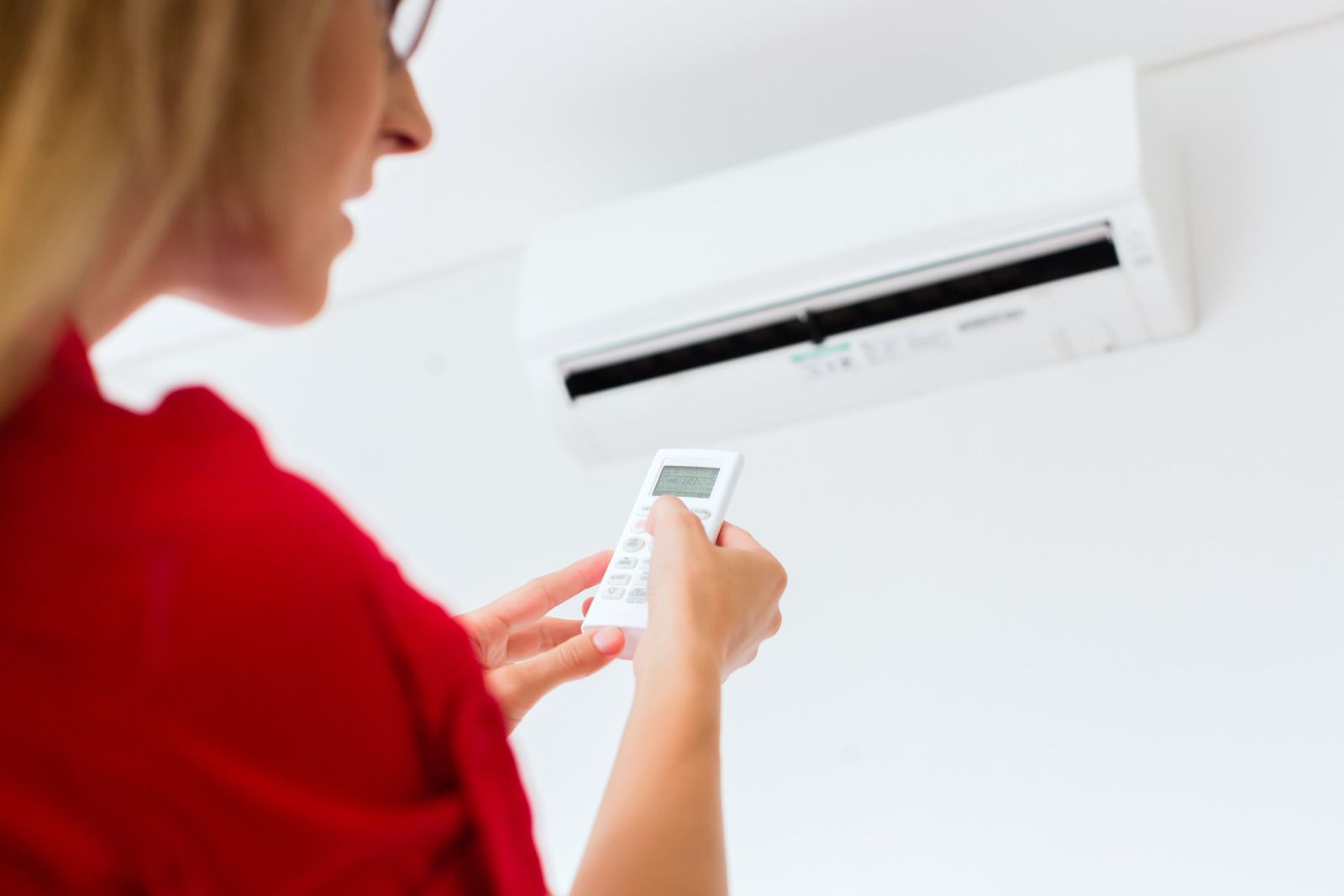
The simplest explanation is also the one people miss when they are cold and frustrated. Most thermostats have a fan setting with two choices, Auto and On. In Auto, the blower runs only while the furnace is actually making heat. In On, the blower runs all the time, and when the burners are not firing, it moves room temperature air or even cool air from the ducts through your vents.
If someone switched the fan to On during the summer to even out the temperature upstairs, it may still be set that way. You will feel air coming out of the registers, but it will not be warm because the burners cycled off or never started. Flip the fan to Auto, set the heat mode, and raise the setpoint a few degrees above the room temperature. Give the system a few minutes to go through its startup sequence.
Also check that the thermostat is truly calling for heat. A dead battery, a screen that is blank, or a schedule that dropped the temperature setpoint can all make it look like the furnace is misbehaving when it is simply following instructions. A smart thermostat that lost its connection or a wiring issue behind the wall plate can produce the same symptom, which is why thermostat checks belong at the top of every diagnostic list.
A Clogged Filter Can Make the Furnace Shut Its Own Burners Down
If the thermostat is set correctly, move on to the air filter. A heavily loaded filter restricts the airflow that carries heat away from the heat exchanger. Without enough air moving across it, the heat exchanger gets hotter than it should, and the furnace has a safety device built for exactly that situation, the high limit switch.
When the limit switch senses excess temperature, it shuts off the burners to protect the equipment. The blower, however, keeps running to cool the furnace down. That is why you can hear the system working and feel air at the vents, yet the air is cold or barely lukewarm. After the furnace cools, the burners may try again, run for a short while, and shut off again, repeating the cycle until something changes.
Pull the filter and hold it up to a light. If you cannot see light through it, replace it. In a Kentuckiana home, filters load up faster than people think. Fall is when leaves, pollen carryover, and construction dust meet the first long stretch of heating season, and pets and humid summers leave plenty of debris behind. Checking the filter monthly during heavy use is a habit that prevents a surprising number of no heat calls.
Tip: Write the replacement date on the edge of the new filter with a marker, and set a phone reminder for a month out. A filter that is changed on a schedule keeps airflow steady and spares the high limit switch from working overtime.
Blocked Vents and Closed Registers Add to the Problem
Filters get the attention, but airflow can be choked in other places too. Furniture pushed against a return grille, rugs sitting over floor registers, and several closed vents in unused rooms can all raise the pressure inside the duct system and reduce the air moving over the heat exchanger. The result looks a lot like a dirty filter, with the limit switch cutting the burners short and the blower pushing out cool air.
Walk the house and open every supply register fully, then check that return grilles are clear. Closing vents in a few rooms does not save heat the way many homeowners assume. It usually just makes the furnace work against itself. If the air warms up after you open things up, you found the cause.
A Dirty Flame Sensor Can End the Burn Seconds After It Starts
Here is the cause that fools many homeowners, because the furnace seems to be working. The burners light, you may even see the flame for a moment, and then they go out. The furnace tries again a few times and then locks out, leaving the blower running on cold air.
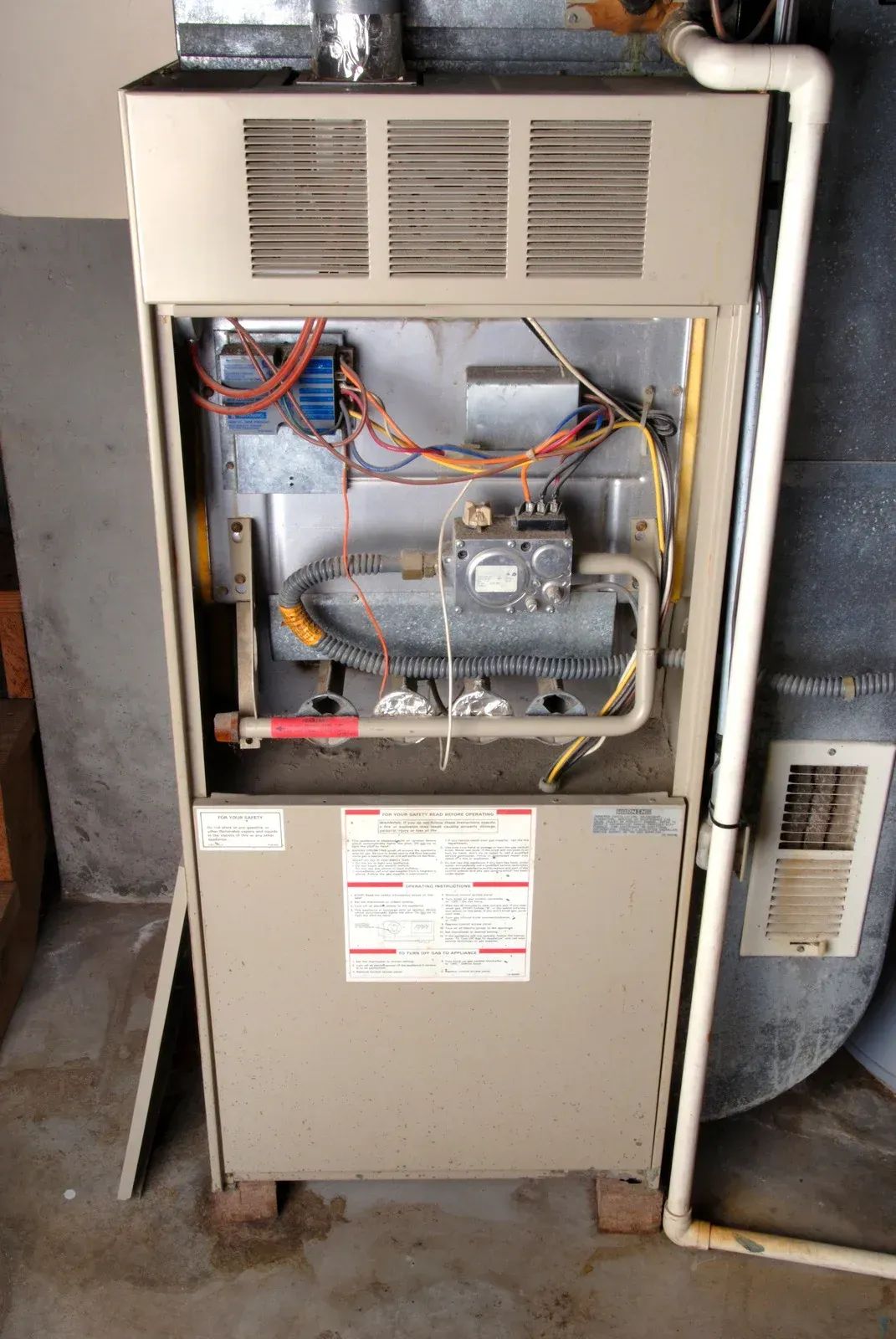
The flame sensor is a thin metal rod that sits in the burner flame and confirms to the control board that a flame is actually present. Over time, a coating of carbon and residue builds up on the rod. When it is dirty, it cannot sense the flame properly, so the board assumes the burners failed to light and closes the gas valve as a safety measure. This is the kind of issue that tends to appear when a furnace has not run for months, which is exactly the situation in the first cold week of fall.
Cleaning a flame sensor is routine work for a technician and part of a good seasonal tune up. If you suspect this is the problem, the best move is to have it handled during a diagnostic visit rather than poking around inside the cabinet, since the area includes gas components and live wiring.
Ignition and Gas Supply Problems Show Up as Cold Air Too
If the furnace tries to start but never produces flame, the cause may be on the ignition side. Modern furnaces use either a hot surface igniter or an electronic spark system, and both wear out. A cracked or weak igniter might glow without getting hot enough to light the gas. Older furnaces with a standing pilot can have a pilot flame that blew out or a thermocouple that no longer holds the gas valve open.
Gas supply is the other piece. If the gas valve to the furnace was turned off during the summer, or the supply is interrupted for any reason, the blower will run but there is nothing to heat the air. Many furnaces display status codes through a small window on the control board, and the number of flashes can point a technician to the problem quickly. Make a note of the pattern or take a photo of the light, since it saves diagnostic time.
If you smell gas at any point, do not keep testing the furnace. Leave the house, and call the gas utility from outside.
Leaky or Cold Ducts Can Cool the Air Before It Reaches You
Sometimes the furnace is making heat just fine, and the problem is the trip. Supply ducts that run through an unheated attic, crawl space, or garage lose heat to the surrounding space, and ducts with leaks or loose connections spill warm air into places you are not trying to heat. On a freezing night in Louisville, a duct that runs through a cold crawl space can turn good heat into lukewarm air by the time it reaches the farthest bedroom.
A telltale sign is air that feels warm at the first few registers and cool at the ones far from the furnace, or heat that comes through at the start of a cycle and fades fast. Ductwork that is poorly sealed or insulated is a comfort problem you can fix, and it is worth raising during any heating visit.
Warning:
If the furnace is blowing cold air and you notice a rotten egg smell, soot around the unit, a yellow or flickering burner flame, or a carbon monoxide alarm sounding, shut the system off and get everyone out of the house. These signs point to a safety problem, and the furnace should not run again until a professional inspects it.
What About a Heat Pump or Dual Fuel System?
Not every home in the area runs a standard gas furnace. If you have a heat pump, air that feels cool but not freezing during a cold morning may be normal behavior. Heat pumps deliver air that is warmer than the outdoor temperature but cooler than the air from a gas furnace, so it can feel mild at the vent. A heat pump in defrost mode can also blow cooler air for a few minutes while it clears frost from the outdoor coil.
What is not normal is a heat pump that blows cool air for an extended period, runs constantly without raising the indoor temperature, or fails to switch to backup heat when it is cold outside. In a dual fuel setup, the furnace is supposed to take over when the heat pump cannot keep up, and a failure in that handoff leaves the house chilly with the system apparently running.
When It Is Time to Stop Troubleshooting and Call
Thermostat settings, the filter, and open vents are fair game for any homeowner. Beyond that, the panel on the furnace should stay closed. Internal components involve gas, combustion, and high voltage wiring, and a repeated lockout is the furnace telling you something needs attention.
Call for service if the air stays cold after you have checked the basics, if the furnace cycles on and off repeatedly, if you see error codes, or if the burners light and then go out. Also call if the furnace is more than ten to fifteen years old and the problem keeps coming back. A repeating failure often points to a worn component, and an inspection can tell you whether a repair makes sense. It also gives a technician the chance to check the heat exchanger, venting, and combustion safety while the cabinet is open.
Frequently Asked Questions
Why is my furnace blowing cold air but the blower is running?
The blower and burners operate separately. The blower can run while the burners are off from a tripped limit switch, a shut down flame sensor, ignition failure, or a gas issue. The fan setting can also mislead.
Should the furnace blow cold air for a minute when it first starts?
A short delay is normal. Most furnaces wait for the heat exchanger to warm up before the blower starts, so you may feel cool air at first. If it stays cold after several minutes, something is wrong.
Can a dirty air filter really cause a furnace to blow cold air?
Yes. A clogged filter restricts airflow and can overheat the furnace, which trips the high limit switch and shuts the burners off. The blower keeps running, so the air feels cold. Replacing the filter often solves it.
Is it safe to keep resetting the furnace when it blows cold air?
Resetting once after fixing an obvious cause, like a dirty filter, is reasonable. Repeated resets hide a problem that needs diagnosis, and a furnace that keeps locking out is protecting you. Stop and call for service.
Why does my furnace blow cold air only at night or in the morning?
Colder outdoor temperatures put more demand on the system, which can expose a tired igniter or dirty flame sensor. A morning setback may not have recovered yet, and cold ducts cool the air more on frigid hours.
Could the cold air mean I need a new furnace?
Not usually. Most cold air complaints come from fixable issues like a filter, a sensor, or an igniter. Replacement becomes a conversation when the furnace is old, repeatedly fails, or has a cracked heat exchanger.
Work Through The List Before The Cold
A furnace that blows cold air is trying to tell you something, and the message usually sits near the top of a short list. Start with the thermostat fan setting and the filter, since both take a couple of minutes and need no tools, then open any blocked vents. If the air stays cold after those checks, the cause has moved inside the cabinet, to a dirty flame sensor, a worn igniter, or a gas supply issue, and that is where guessing should stop.
Service By Shawn HVAC
brings 20
years of experience to homes around Jeffersonville, IN, where a furnace sitting idle all summer often stumbles in the first real cold week of fall. Checking the thermostat, airflow, flame sensor, ignition, gas supply, and ductwork in order is what separates a quick fix from a repeated lockout left to chance. Working through the system that way, with the safety components checked while the cabinet is open, is how the next cold snap finds the house warm instead of waiting.