
Energy Efficiency Audits: How to Save Money and Reduce Your Carbon Footprint
January 7, 2026
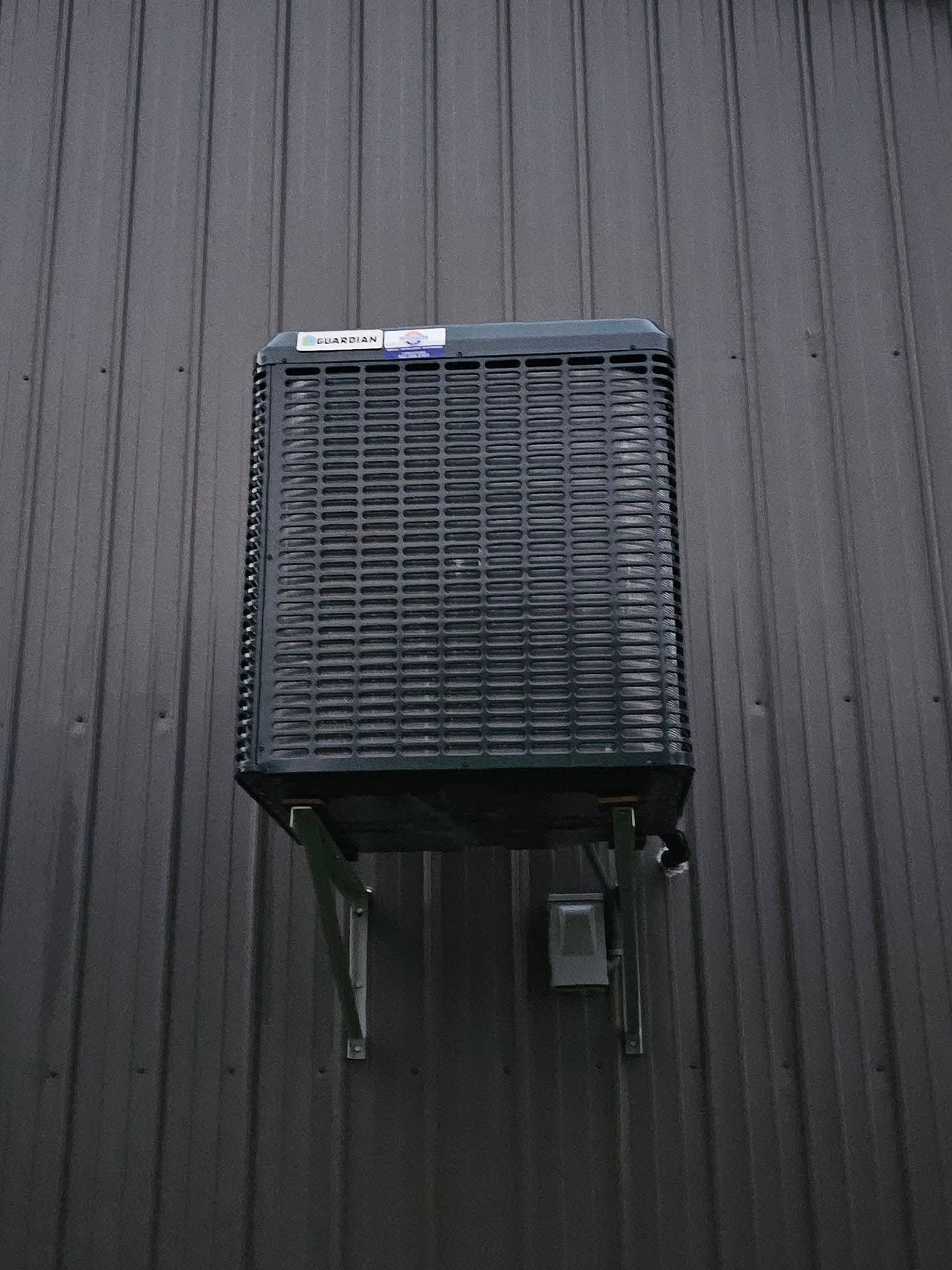
Energy costs are rising faster than ever, and homeowners and businesses alike are searching for practical ways to cut expenses without sacrificing comfort or productivity. One of the most effective and often overlooked solutions is an energy efficiency audit. This comprehensive assessment provides a clear picture of where energy is being wasted and identifies targeted improvements that deliver measurable savings. With growing environmental concerns and an increasing demand for sustainable living, energy audits have become an essential step toward smarter, more cost-effective energy management. Whether you’re looking to reduce monthly utility bills, improve indoor comfort, or upgrade your property’s efficiency, an audit serves as the foundation for informed decision-making.
In the HVAC and building performance industry,
energy efficiency audits play a critical role in modern sustainability initiatives. They not only pinpoint inefficiencies in heating, cooling, and ventilation systems but also highlight opportunities to optimize insulation, airflow, and overall energy usage. As more homeowners and businesses aim to reduce their carbon footprint, energy audits offer a professional, data-driven approach to understanding energy behavior within a space. By combining state-of-the-art diagnostic tools with expert analysis, an audit ensures you’re taking meaningful steps toward long-term energy savings and environmental responsibility.
Understanding Energy Efficiency Audits
What an Energy Audit Is
An energy efficiency audit is a detailed evaluation of how a home or building consumes energy. It involves analyzing HVAC systems, insulation, appliances, air leaks, and overall structural performance. The goal is to identify inefficiencies and recommend optimized solutions based on data, not guesswork.
Types of Energy Audits
There are two primary types of audits:
- Basic/Walkthrough Audit: This visual inspection identifies obvious issues such as drafty windows, poor insulation, or inefficient HVAC equipment. It requires minimal tools and offers a high-level overview of potential improvements.
- Comprehensive Audit: This involves detailed diagnostic testing, including blower door testing, infrared thermal imaging, duct leakage testing, and equipment efficiency measurements. Comprehensive audits provide deeper insights and more accurate recommendations.
Why Audits Matter
Energy audits matter because they offer measurable financial and environmental benefits. By uncovering unnecessary energy loss, property owners gain the opportunity to lower utility bills, increase equipment lifespan, and improve indoor comfort. More importantly, energy-efficient upgrades identified through audits contribute to reduced greenhouse gas emissions.
Key Areas Evaluated During an Energy Efficiency Audit
HVAC System Performance
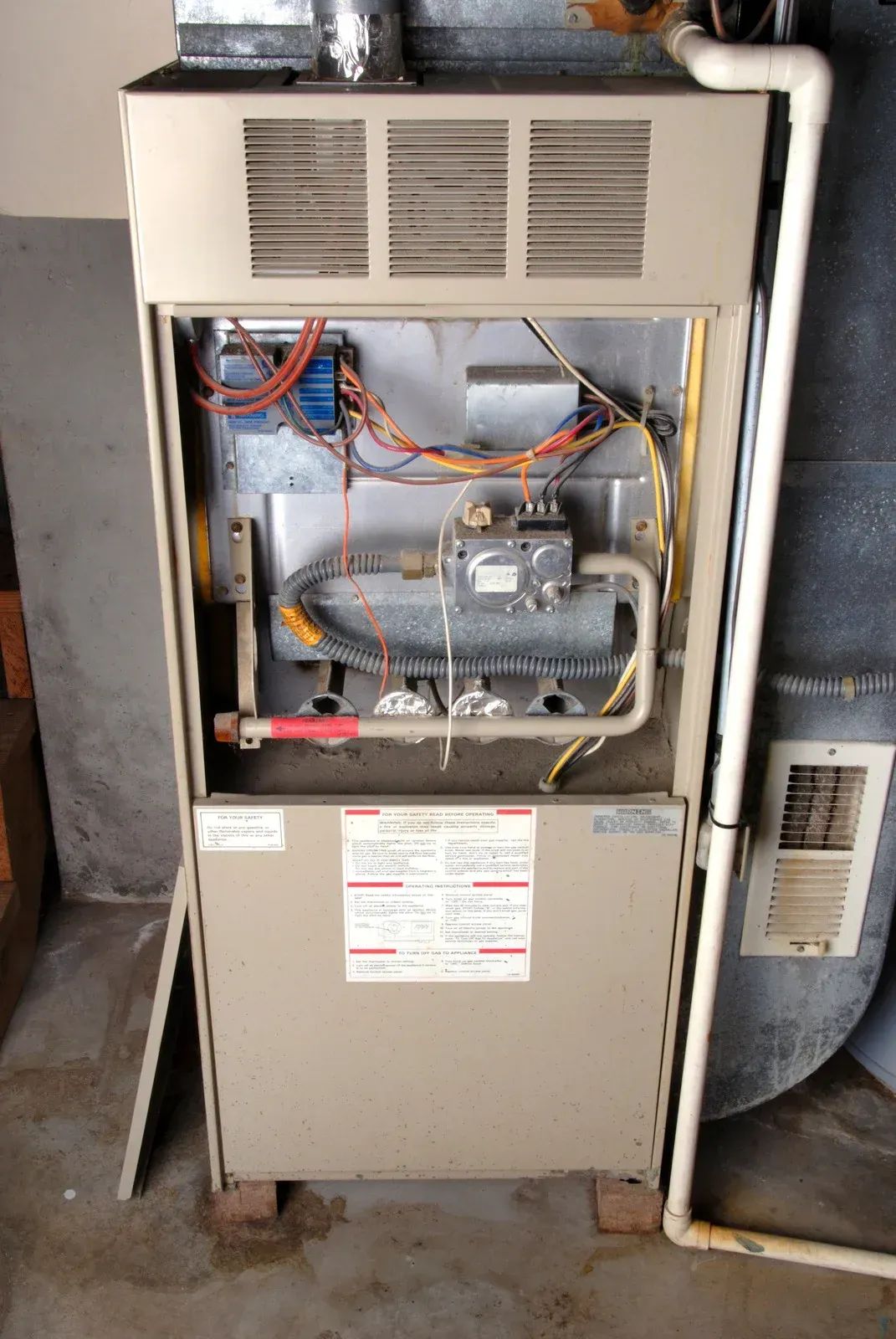
Heating and cooling systems account for a significant portion of energy usage in most homes and commercial buildings. An audit assesses the condition, age, and efficiency of HVAC equipment, identifying issues such as clogged filters, outdated units, duct leaks, or improper sizing. Inefficient HVAC systems not only waste energy but can also cause inconsistent temperatures and unnecessary strain on components.
Insulation and Air Sealing
Poor insulation and air leaks are two of the most common causes of energy loss. Auditors inspect attics, walls, basements, and crawl spaces to ensure proper insulation levels. They also check for gaps around doors, windows, electrical outlets, and vents. Improving insulation and sealing leaks delivers immediate benefits in the form of lower heating and cooling costs and enhanced indoor comfort.
Ductwork Efficiency
Ductwork plays a vital role in distributing air throughout a building. If ducts are damaged, disconnected, or poorly sealed, conditioned air escapes, causing the HVAC system to work harder. An energy audit uses pressure tests to identify leaks and pinpoint the exact areas where energy is being wasted. Proper duct sealing can improve HVAC efficiency by up to 20 percent in some cases.
Lighting and Appliances
Older lighting fixtures and outdated appliances consume significantly more energy than modern, energy-efficient alternatives. Auditors evaluate the energy consumption of refrigerators, dishwashers, water heaters, and lighting systems to determine whether upgrades could lead to cost savings. Switching to LED lighting alone can drastically reduce electricity usage.
How Energy Audits Help You Save Money
Lower Utility Bills
One of the most significant benefits of an energy audit is the long-term reduction in energy costs. By identifying and correcting inefficiencies—such as sealing duct leaks, upgrading insulation, or replacing outdated HVAC systems—property owners can reduce energy waste and enjoy lower monthly bills.
Increased Equipment Lifespan
When an HVAC system is overworking due to leaks or inefficiencies, it experiences unnecessary wear and tear. An audit helps eliminate these stressors, allowing the equipment to run more efficiently and last longer. Avoiding premature breakdowns can save homeowners thousands of dollars in repairs and replacements.
Qualifying for Rebates and Incentives
Many utility providers and government programs offer incentives for completing energy-efficient upgrades. These may include tax credits, rebates, or discounted energy-efficient equipment. An energy audit often outlines which upgrades qualify, allowing property owners to take advantage of available savings.
Improved Home Value
Energy-efficient homes typically appeal more to buyers. A documented energy audit and completed upgrades can demonstrate reduced energy costs and a more comfortable living environment, making a property more attractive on the market. Buyers increasingly value sustainability, placing energy-efficient homes in higher demand.
Environmental Benefits and Carbon Footprint Reduction
Reduced Carbon Emissions
Energy-efficient upgrades directly reduce the amount of energy required to heat, cool, and power a building. When energy consumption decreases, so does the demand on power plants, leading to fewer carbon emissions. This benefits not only the property owner but the environment as a whole.
Sustainable HVAC Practices
Properly maintained HVAC systems operate more efficiently and consume less energy. Regular maintenance—such as cleaning coils, replacing filters, and checking refrigerant levels—ensures peak performance and reduces harmful emissions associated with inefficient equipment.
Optimized Energy Consumption
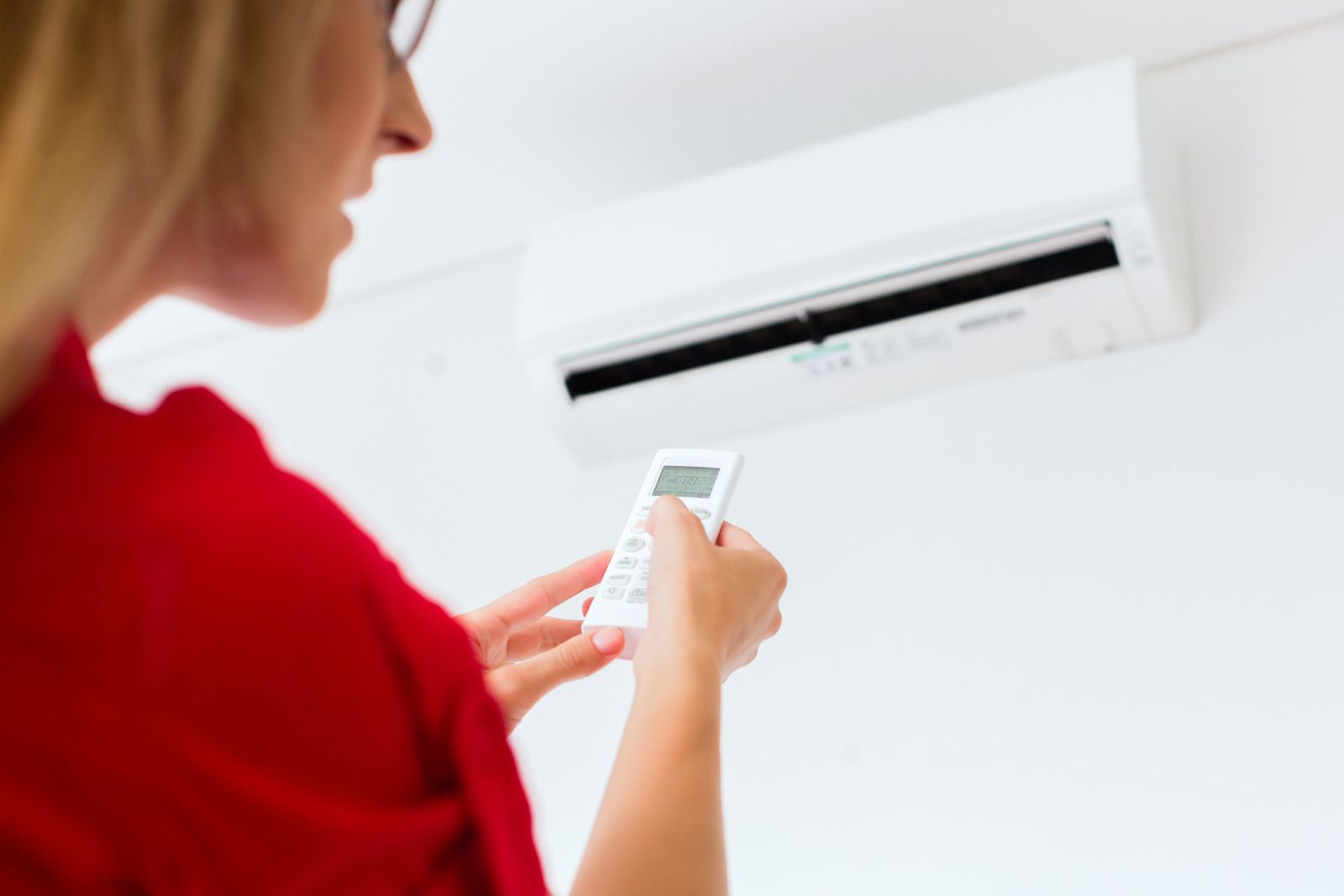
Energy audits promote strategic energy use. Instead of relying on excessive heating or cooling, homeowners learn how to optimize airflow, improve insulation, and use programmable thermostats effectively. These changes contribute to long-term sustainability and reduced environmental impact.
Encouraging a Greener Lifestyle
Energy audits often inspire homeowners to adopt more sustainable habits, such as minimizing appliance use during peak hours, switching to energy-efficient bulbs, or installing smart technology. These individual actions collectively support a greener lifestyle.
Real-World Scenarios and Practical Applications
Case Example: High Energy Bills in an Older Home
Consider a homeowner experiencing unusually high utility bills during summer and winter. An energy audit reveals significant duct leakage, insufficient attic insulation, and an aging HVAC unit. After sealing ducts, adding insulation, and replacing the outdated equipment with a high-efficiency system, the homeowner sees a 30 percent reduction in energy bills.
Scenario: Uneven Temperatures Throughout the House
Uneven heating or cooling often indicates poor airflow or ductwork issues. An energy audit in this scenario exposes a partially collapsed duct and air leaks around windows. After repairs and air sealing work, the home achieves consistent temperatures and improved comfort.
Example: Commercial Building Energy Waste
A commercial property struggles with rising electricity costs due to outdated HVAC systems and inefficient lighting. A comprehensive audit identifies opportunities to upgrade to LED lighting, install programmable thermostats, and repair ventilation issues. Utility bills decrease significantly, and the building’s operations become more sustainable.
Practical Steps Every Property Owner Can Take
- Replace dirty HVAC filters regularly.
- Seal cracks and openings around doors and windows.
- Upgrade to LED lighting.
- Use smart thermostats to reduce energy waste.
- Ensure proper insulation in attics and basements.
These simple steps complement the insights from a professional energy audit and further enhance efficiency.
Best Practices for Preparing and Implementing an Energy Audit
Prepare Your Home or Business
Before the audit, ensure all areas of the property are accessible. Clear pathways to HVAC units, attics, and crawl spaces. List existing issues, such as drafts or inconsistent temperatures, to help auditors identify specific concerns.
Review Audit Findings Carefully
After the audit, you’ll receive a detailed report outlining energy usage, inefficiencies, and recommended improvements. Review each section thoroughly and prioritize upgrades based on impact and budget.
Implement High-Impact Upgrades First
Some improvements—such as duct sealing, thermostat upgrades, or replacing old HVAC equipment—have immediate and sizable effects on energy efficiency. Start with the highest-value actions to maximize your savings.
Monitor and Maintain Improvements
Energy efficiency is an ongoing effort. Performing routine HVAC maintenance, conducting seasonal inspections, and using energy wisely ensures long-term cost savings and sustainability.
Driving Meaningful Change Through Energy-Efficient Actions
When it comes to implementing energy-efficient solutions and optimizing HVAC performance, choosing a trusted and experienced professional makes all the difference. Service By Shawn HVAC in Jeffersonville, IN has been delivering reliable, detail-oriented HVAC services for 20 years, helping homeowners and businesses improve energy efficiency and reduce overall operating costs. With extensive industry expertise, advanced diagnostic tools, and a commitment to customer satisfaction, the company provides tailored solutions that address both immediate needs and long-term performance goals.
Whether you need a professional energy audit, HVAC repair, system replacement, or ongoing maintenance, we ensure every service is completed with precision and care. Their team understands that energy efficiency is more than a trend—it’s a necessity for maintaining comfort, lowering expenses, and supporting environmental responsibility. By partnering with us, you gain access to experts who value transparency, reliability, and high-quality workmanship. For any property owner looking to improve energy performance and achieve lasting savings, their experience and dedication make them a trusted choice in the HVAC industry.