
Step-by-Step Guide to Installing a New Heating System in Your Home
March 11, 2026
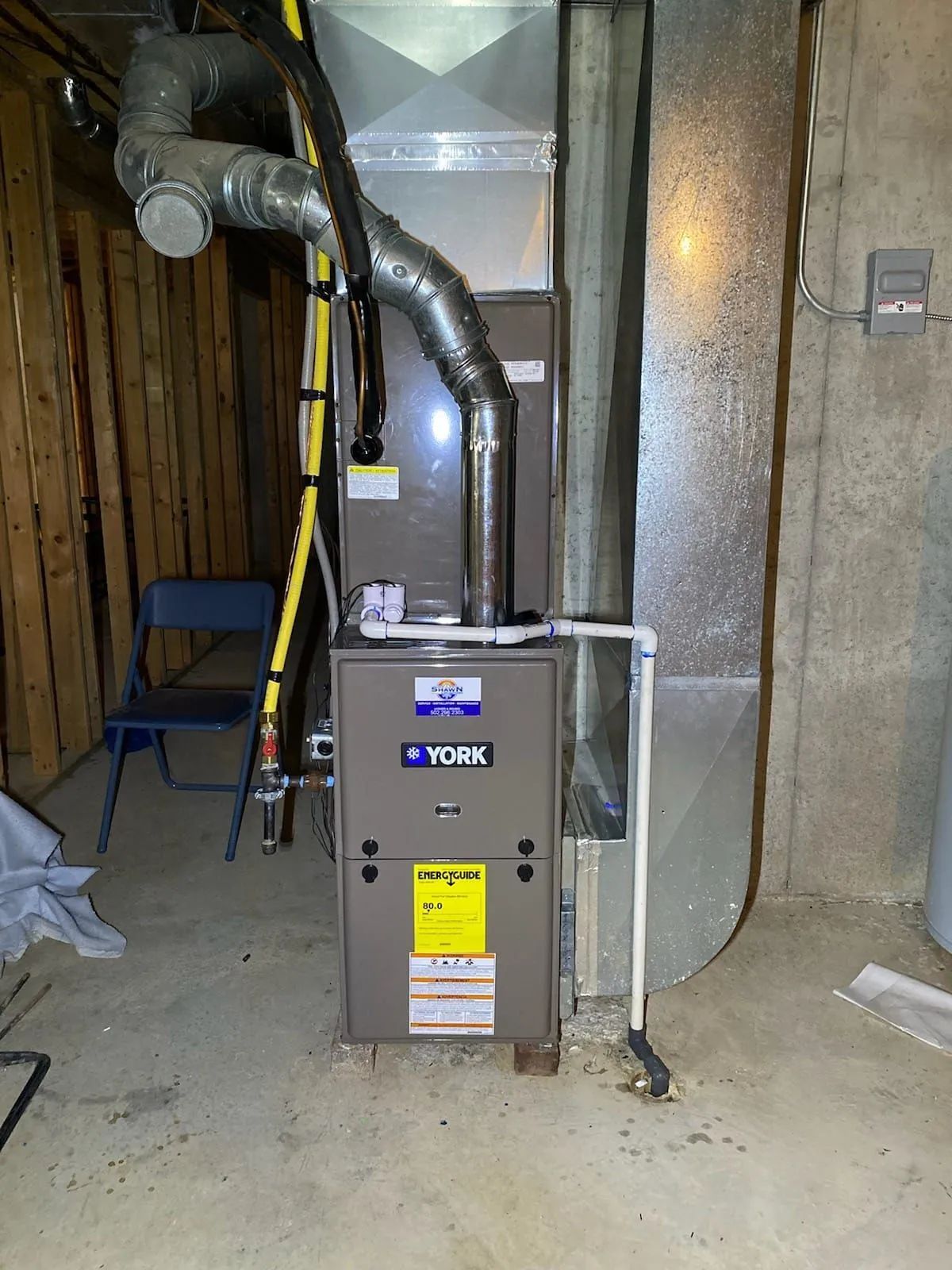
Upgrading your home’s heating system is a significant investment that directly impacts comfort, energy efficiency, and long-term cost savings. Whether you’re replacing an old, inefficient furnace or installing a new system in a recently purchased property, understanding the installation process is crucial. A properly installed heating system ensures consistent warmth, reduces energy consumption, and minimizes the likelihood of costly repairs in the future. Homeowners who take a strategic approach to heating system installation often experience improved indoor air quality, enhanced safety, and greater overall satisfaction with their living environment. In today’s market, with multiple heating options ranging from traditional gas furnaces to modern heat pumps, making an informed decision is more important than ever.
This step-by-step guide is designed to demystify the process of installing a new heating system in your home. By following expert-backed procedures, homeowners can gain clarity on what to expect during installation, potential challenges, and best practices that ensure optimal performance. From selecting the right system to final testing and maintenance considerations, each step will be explained with actionable insights. Whether you plan to hire professionals or oversee the project, understanding the installation workflow provides confidence, minimizes risks, and ensures your home remains warm, safe, and energy-efficient throughout the year.
Choosing the Right Heating System
Understanding Different Types of Heating Systems
Selecting the appropriate heating system is the first and arguably the most critical step in the installation process. Homeowners have several options, each with unique advantages and considerations. Traditional gas furnaces remain popular due to their high heat output and reliability. Electric furnaces are easier to install and offer precise temperature control but may incur higher operational costs. Heat pumps provide both heating and cooling solutions, making them versatile and energy-efficient, especially in moderate climates. For homes seeking sustainable options, hydronic systems or radiant floor heating deliver comfortable, even warmth and reduce energy consumption in the long term.
When choosing a heating system, consider factors such as your home’s size, insulation quality, and existing ductwork. Real-world scenarios highlight the importance of compatibility: for instance, installing a high-capacity furnace in a poorly insulated home can lead to uneven heating and inflated energy bills. Conversely, underestimating system requirements can result in insufficient warmth and increased wear on the unit. Consulting with HVAC professionals during this stage can prevent costly mistakes, ensuring your new system meets both your comfort and efficiency goals.
Key Considerations Before Purchase
Before finalizing a system, evaluate your home’s energy efficiency needs, budget constraints, and long-term maintenance expectations. Modern systems often include programmable thermostats, zoning capabilities, and high-efficiency ratings that can significantly reduce monthly utility costs. Additionally, consider the lifetime cost of operation, not just the upfront price. Homeowners who invest in energy-efficient models may qualify for local incentives or rebates, offsetting initial expenses. By carefully analyzing these variables, you ensure the heating system is a long-term asset rather than a short-lived solution.
Preparing Your Home for Installation
Conducting a Home Assessment
Before any installation work begins, a thorough assessment of your home is essential. This includes inspecting your existing ductwork, insulation, and electrical connections to identify potential obstacles or upgrades. In older homes, outdated wiring or deteriorating ducts can hinder system performance, leading to uneven heating or frequent maintenance issues. A professional assessment provides actionable insights and helps plan modifications, ensuring your new system operates at peak efficiency.
Clearing the Installation Area
Proper preparation involves clearing the designated installation area to allow unobstructed access for technicians. This step not only ensures a smoother workflow but also prevents potential damage to walls, flooring, or furniture. For basement or utility room installations, removing clutter and ensuring adequate ventilation is crucial. Real-world cases show that homes prepared in advance often experience shorter installation times, reducing labor costs and minimizing disruption to daily routines.
Safety Measures and Permits
Safety is paramount when dealing with heating systems, particularly those involving gas or electrical components. Homeowners should verify local building codes and permit requirements, as non-compliance can result in fines or insurance complications. Additionally, having functional smoke and carbon monoxide detectors in the home ensures immediate safety during testing phases. Implementing these measures ahead of time protects both the property and occupants while maintaining compliance with local regulations.
Installation Process Step-by-Step
Step 1: Removing the Old System
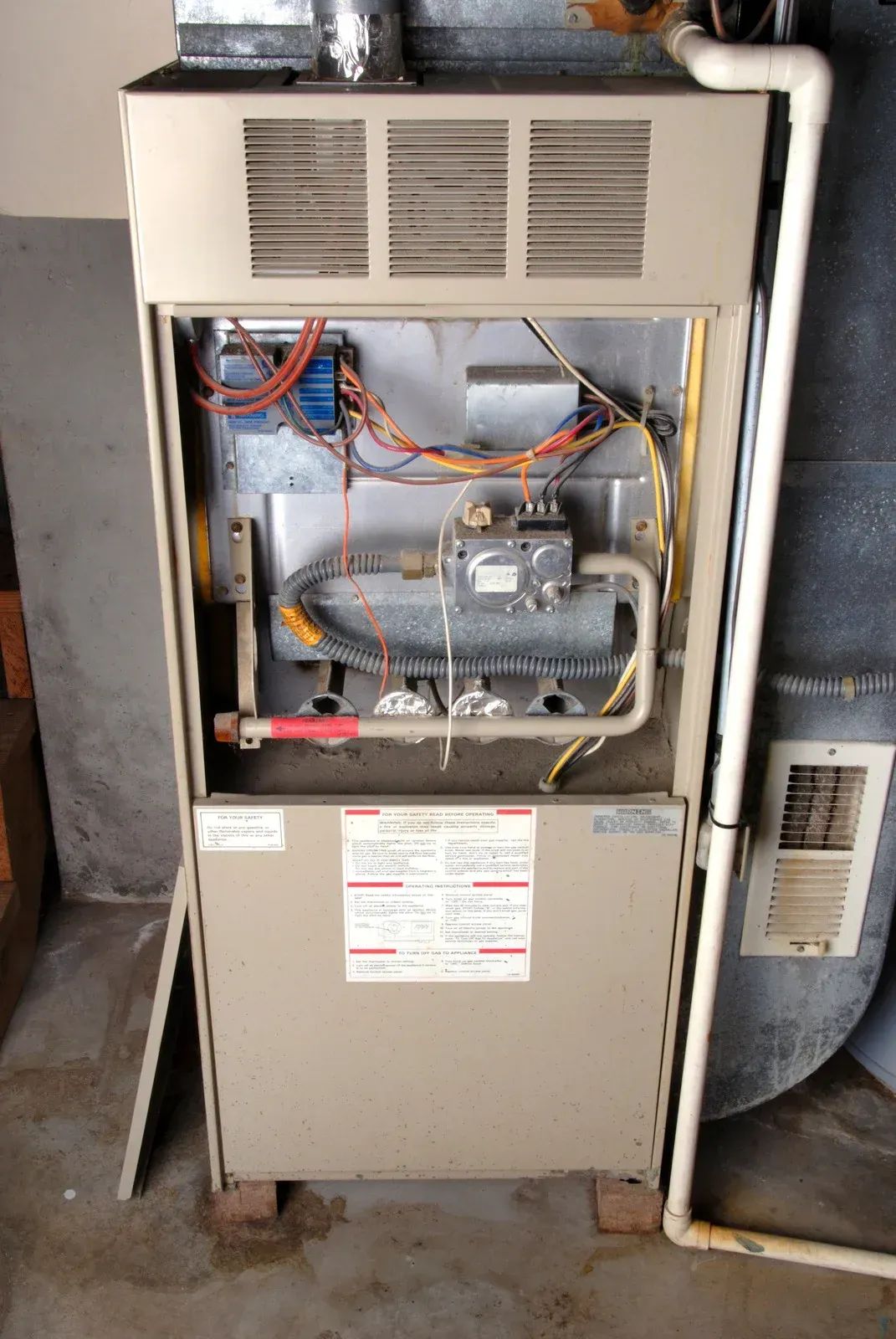
The first practical step involves safely removing the existing heating system. Technicians disconnect power, gas, or other utilities before carefully dismantling the old unit. Proper disposal of components, especially gas furnaces, is essential to comply with environmental regulations. Challenges in this phase often include corroded connections or difficult-to-access units, highlighting the importance of professional expertise.
Step 2: Positioning the New Unit
Once the old system is removed, the new heating unit is positioned according to manufacturer guidelines. Proper placement ensures optimal airflow, efficiency, and accessibility for future maintenance. For furnaces, this often involves leveling the unit and securing it to the floor or platform. In multi-level homes, considerations such as duct routing and vent placement are critical to achieving uniform heat distribution.
Step 3: Connecting Ductwork and Vents
Efficient airflow is crucial for system performance. Connecting ducts and vents requires precision to avoid leaks, blockages, or pressure imbalances. Many modern installations include zoned heating systems, which allow different areas of the home to maintain customized temperatures. Real-world examples show that poorly connected ductwork can reduce system efficiency by up to 20%, leading to higher energy costs and uneven comfort. Proper sealing, insulation, and alignment of ducts prevent these issues and enhance the overall lifespan of the system.
Step 4: Hooking Up Utilities
Next, the unit’s power and fuel sources are connected. Gas furnaces require secure piping with leak testing, while electric units involve careful wiring and circuit connections. Safety protocols, such as grounding and pressure tests, are mandatory to prevent hazards. Professionals often test for leaks, electrical integrity, and overall system readiness before proceeding to the next stage.
Step 5: Installing Thermostats and Controls
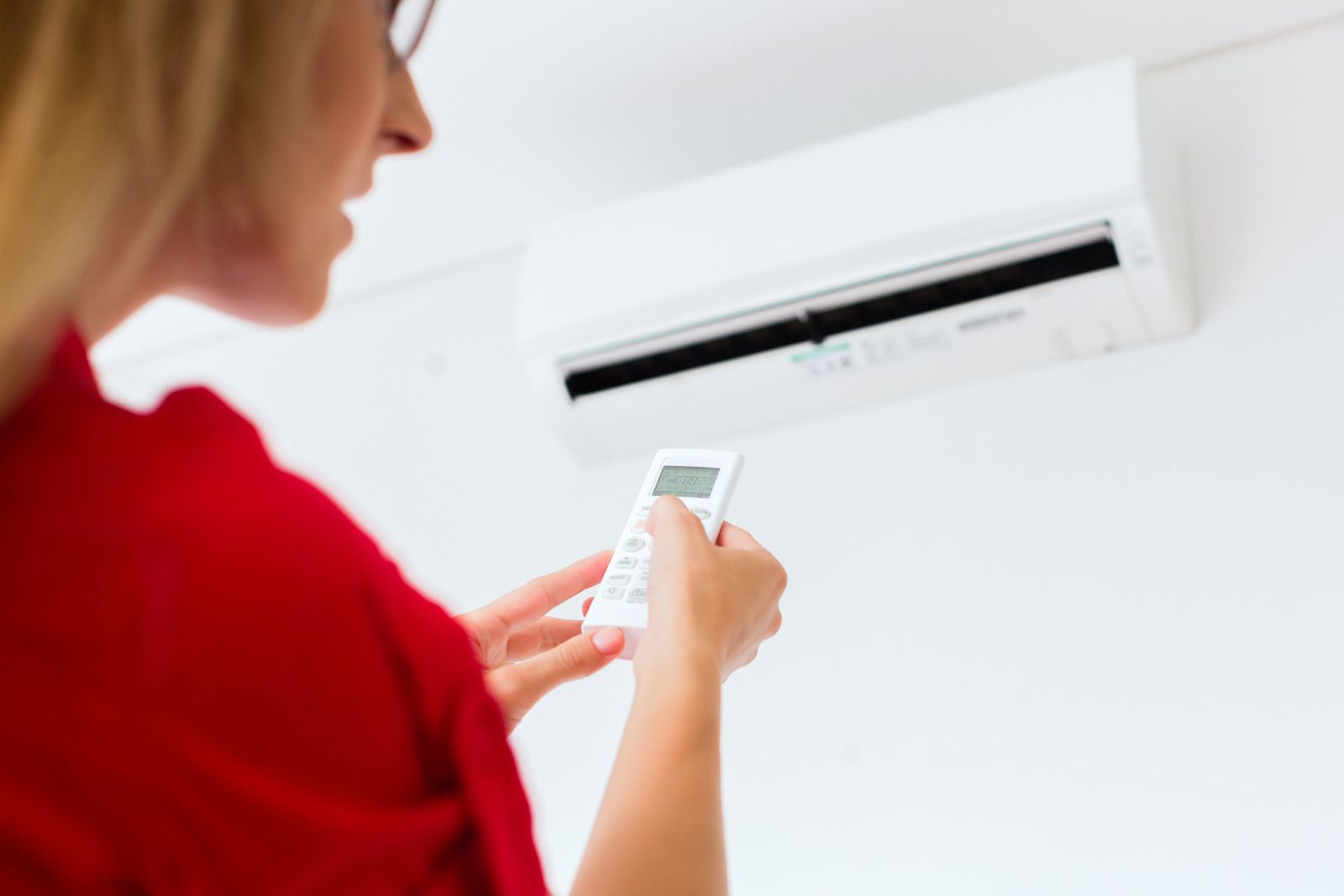
Thermostats serve as the command center of your heating system. Installing programmable or smart thermostats allows homeowners to optimize energy use while maintaining consistent comfort. Subtle details, such as proper thermostat placement away from direct sunlight or drafty areas, significantly impact system efficiency. Additionally, integrating remote controls or smartphone apps provides convenience and ensures homeowners can monitor usage patterns for further energy savings.
Step 6: Initial Testing and Calibration
Once installation is complete, the system undergoes comprehensive testing and calibration. Technicians check for proper airflow, heat output, and operational efficiency. Any discrepancies in temperature or airflow are adjusted to match manufacturer specifications. Real-world scenarios reveal that a meticulously tested system experiences fewer breakdowns, operates more efficiently, and maintains consistent home comfort over the long term.
Post-Installation Considerations
Maintenance and Regular Checkups
A new heating system is only as effective as the maintenance it receives. Regular inspections, filter replacements, and system cleanings prevent common issues such as reduced airflow, overheating, or component failure. Many manufacturers recommend professional checkups at least once a year to maintain warranty validity and prolong system lifespan.
Troubleshooting Common Issues
Even newly installed systems can face minor operational challenges. Common issues include uneven heating, thermostat errors, or unusual noises. Knowing basic troubleshooting steps—such as checking circuit breakers, air filters, and vent obstructions—can save time and prevent unnecessary service calls. Professional support should be sought for complex problems involving gas leaks, electrical faults, or refrigerant issues.
Energy Efficiency Optimization
Post-installation, homeowners should focus on maximizing energy efficiency. Sealing windows and doors, adding insulation, and utilizing programmable thermostats contribute to lower utility bills. Additionally, monitoring energy usage patterns allows homeowners to make informed adjustments, further reducing environmental impact and operational costs. Real-world examples demonstrate that homes with optimized heating systems experience up to 30% lower energy consumption compared to poorly maintained units.
Reliable Experts Installing Safe and Efficient Heating
Installing a new heating system in your home is a multifaceted process that requires careful planning, precise execution, and attention to detail. From selecting the right system to proper placement, ductwork connections, utility hookups, and calibration, each step plays a critical role in ensuring efficiency, safety, and comfort. Preparing your home, adhering to safety protocols, and considering long-term maintenance needs are equally important. By following the steps outlined in this guide, homeowners can avoid common pitfalls, maximize energy savings, and enjoy reliable warmth throughout the year.
For residents of Jeffersonville, IN, Service By Shawn HVAC
stands as a trusted authority in
heating system installation. With 20
years of experience, the company combines technical expertise, industry knowledge, and a commitment to customer satisfaction. Whether you are replacing an outdated furnace, installing a modern heat pump, or optimizing your home’s energy efficiency, Service By Shawn HVAC
provides end-to-end solutions tailored to your needs. Their professional team ensures that every installation meets the highest standards of safety, performance, and longevity. Homeowners can expect transparent communication, detailed assessments, and expert guidance at every stage of the process. Choosing Service By Shawn HVAC
means investing in a heating system that performs efficiently, lasts longer, and provides peace of mind, knowing that your home’s comfort is in capable hands.