
Signs Your Home Heating System Needs an Upgrade or Repair
February 6, 2026
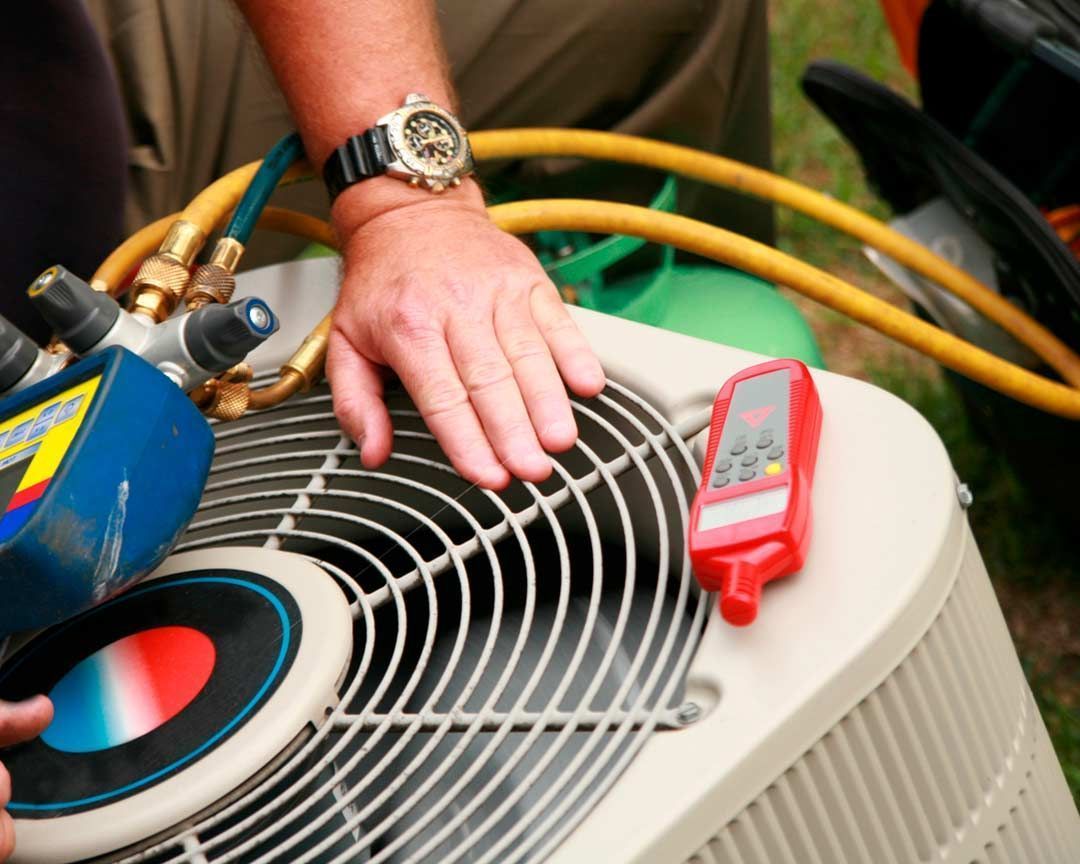
As the colder months approach, homeowners often overlook the importance of a fully functioning heating system until problems arise. A reliable home heating system not only ensures comfort but also maintains energy efficiency and prevents costly emergency repairs. Yet, many homeowners fail to recognize the subtle signs that indicate their system may be underperforming or nearing the end of its useful life. Understanding these warning signals is crucial to maintaining a safe, efficient, and cost-effective home environment.
Whether you rely on a furnace, boiler, heat pump, or another heating solution, recognizing issues early can save both money and stress.
Home heating systems are complex networks of mechanical, electrical, and safety components that require periodic maintenance and occasional repairs. Ignoring minor irregularities, such as unusual noises or uneven heating, can escalate into larger, more expensive problems. In this guide, we will explore the key indicators that suggest your home heating system may need professional repair or a complete upgrade, helping homeowners make informed decisions that improve comfort, efficiency, and safety throughout the year.
Rising Energy Bills and Inefficiency
Increased Energy Costs
One of the most noticeable signs that your home heating system may require professional attention is a sudden or gradual increase in energy bills. Aging or malfunctioning systems work harder to maintain desired temperatures, consuming more electricity or fuel than necessary, which directly impacts household costs significantly.
Causes of Inefficiency
Inefficiency in heating systems can result from multiple factors. Worn-out components like heat exchangers, blower motors, or compressors reduce overall performance. Dirty filters, blocked ducts, or inadequate airflow strain the system, forcing longer operation cycles. Older units may lack modern energy-saving technologies, lowering efficiency and raising energy costs.
Real-World Example
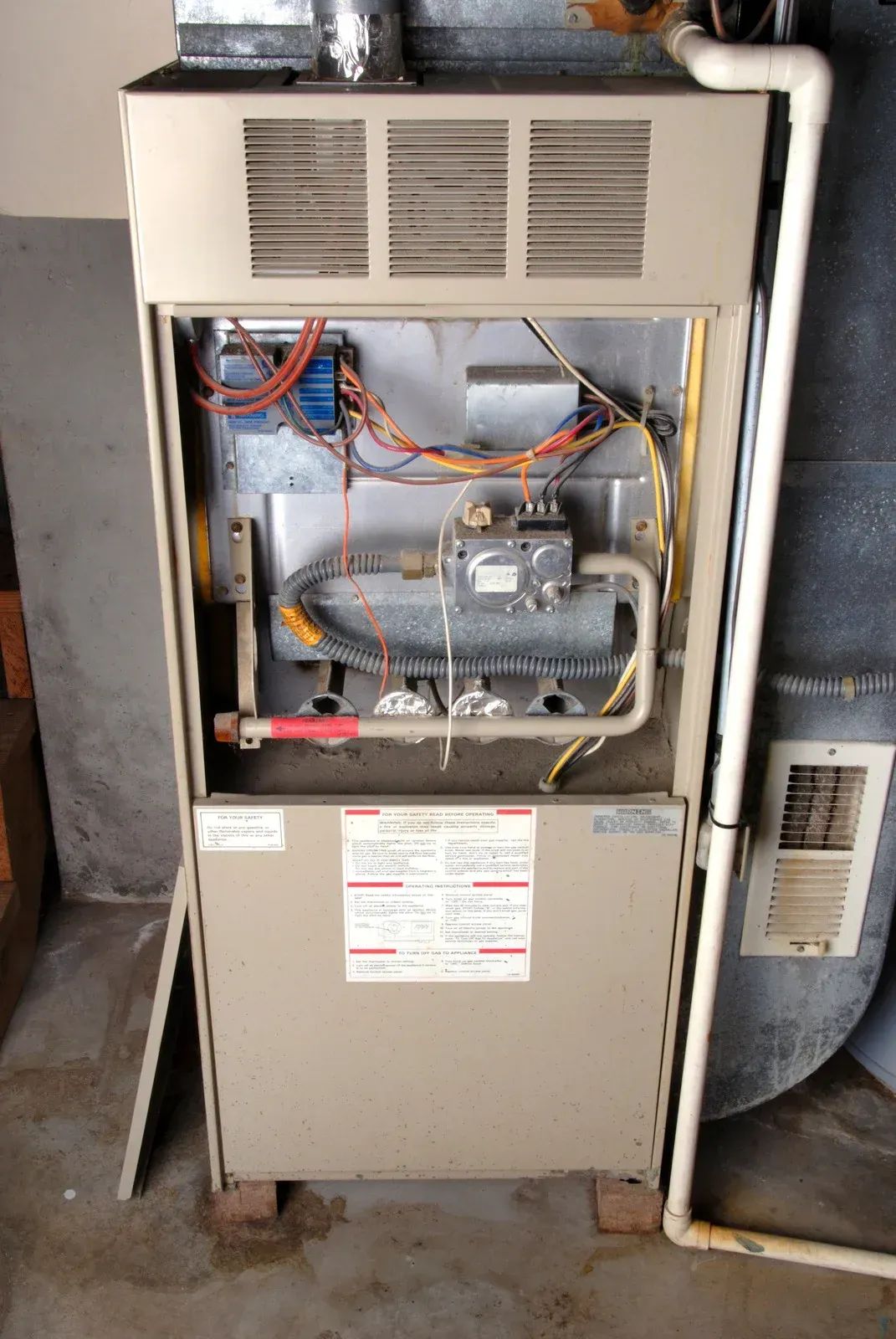
Consider a homeowner noticing a $100 increase in monthly energy costs despite unchanged thermostat settings. Upon inspection, the technician discovers cracks in the furnace heat exchanger, causing incomplete combustion. Repairing or replacing the system restores efficiency, reduces energy expenses, and prevents further strain on the aging heating system components.
Uneven Heating and Cold Spots
Identifying Cold Zones
Uneven heating throughout a home is another strong indicator that a heating system may need repair or replacement. Cold spots, especially during winter months, suggest that the system is failing to distribute heat effectively, leaving certain rooms uncomfortably cold and indicating potential underlying issues requiring immediate attention.
Common Causes
Cold zones may occur due to blocked or leaky ductwork, malfunctioning thermostats, or failing blower fans. Older systems may lack sufficient capacity to heat an entire home evenly, especially if insulation, window efficiency, or layout changes have occurred since installation. Identifying these causes requires professional assessment for proper resolution.
Solutions and Benefits
Addressing uneven heating starts with a thorough professional inspection. Technicians identify airflow restrictions, repair leaks, or recommend upgrades to more energy-efficient systems. Ensuring proper heat distribution enhances comfort, lowers energy bills, and reduces wear on the system, extending lifespan while creating a more reliable, consistently heated home environment.
Example Scenario
A Jeffersonville family noticed cold bedrooms while the living area remained warm. A technician inspected the ductwork and found leaks and insulation gaps. By sealing the ducts and installing a zoning system, the household achieved evenly distributed heat, demonstrating how targeted HVAC solutions improve comfort and energy efficiency dramatically.
Unusual Noises or Odors
Recognizing Mechanical Issues
Heating systems should operate quietly and without unusual smells. Persistent banging, clanking, squealing, or whistling noises often signal mechanical problems. Strange odors, such as burning or gas-like scents, indicate potential safety hazards. Early recognition of these signs prevents costly repairs and ensures the system continues operating safely and efficiently.
Causes and Risks
Mechanical noises may originate from loose or worn components, motor failures, or airflow obstructions. Unusual odors could indicate electrical malfunctions, dust accumulation, or gas leaks. Ignoring these issues compromises both safety and system efficiency. Immediate attention from a licensed professional is crucial to prevent further damage or hazardous situations.
Best Practices for Homeowners
Homeowners should avoid diagnosing mechanical or electrical problems themselves. Promptly contacting licensed HVAC professionals ensures safety and effective repairs. Regular maintenance, including cleaning or replacing filters, lubricating moving parts, and inspecting components, prevents most noise-related problems and ensures the system operates efficiently and reliably throughout its expected lifespan.
Real-World Example
A homeowner reported a persistent hissing sound from the furnace. A technician discovered a small gas leak within the burner assembly. Immediate repair prevented a potential hazard while restoring the heating system’s functionality. This example highlights the importance of professional intervention for unusual noises or odor concerns.
Frequent Repairs and System Age
Assessing System Longevity
Most home heating systems have a typical lifespan of 15–20 years. As systems age, their efficiency naturally declines, and they require frequent repairs. Constant maintenance and repeated component failures often indicate that replacement is a more cost-effective solution than continuing repairs that may only provide temporary relief.
Understanding Cost-Benefit Analysis
When annual repair costs approach or exceed half the price of a new system, homeowners should consider replacement. Modern heating systems offer advanced energy-saving features, enhanced performance, and improved safety. Investing in an upgrade can lower energy bills, reduce emergency repairs, and provide long-term benefits, ensuring more reliable winter comfort.
Challenges of Aging Systems
Older heating units may lack compatibility with modern thermostats or fail to meet current energy codes. Many rely on less efficient fuel sources, increasing utility costs and environmental impact. Aging systems also face difficulty maintaining consistent heat, highlighting the need for proactive evaluation to prevent inefficiency and costly emergency repairs.
Expert Recommendation
HVAC professionals recommend evaluating system age, repair history, and operational efficiency together. Proactive replacement often prevents breakdowns during peak heating seasons. Upgrading improves home comfort, efficiency, and safety. Careful planning ensures that homeowners avoid costly repairs, achieve reliable heating performance, and benefit from energy-efficient modern systems that meet today’s standards.
Poor Air Quality and Moisture Issues
Recognizing Indoor Air Quality Problems
A malfunctioning heating system can compromise indoor air quality. Excess dust, allergens, or increased humidity may stem from faulty ductwork or inefficient filtration. These problems affect household health and comfort, highlighting the importance of addressing system issues promptly to maintain safe and breathable indoor environments for all occupants.
Causes of Air Quality Decline
Clogged filters, duct leaks, and moisture buildup circulate contaminants throughout a home. Inefficient heating systems may fail to remove excess humidity, causing condensation, mold, and potential structural damage. Addressing these issues requires professional assessment and possible system upgrades, ensuring both improved indoor air quality and optimal heating performance year-round.
Benefits of System Upgrades
Upgrading to a modern heating system with advanced filtration, humidity control, and energy efficiency improves home comfort and health. Proper maintenance reduces allergens, eliminates odors, and ensures safer air quality. Efficient systems also prevent long-term damage, providing consistent heating while lowering energy costs and reducing maintenance needs.
Scenario Illustration
A homeowner experienced worsening allergy symptoms and a persistent damp odor during winter. Inspection revealed mold growth inside ducts caused by uneven heating and poor ventilation. Replacing the system and sealing ducts improved indoor air quality, enhanced comfort, and lowered energy expenses, demonstrating the value of proactive HVAC upgrades.
Thermostat Inconsistencies and Safety Concerns
Identifying Thermostat Issues
Thermostats serve as the interface between homeowners and heating systems. Inconsistent temperature readings, sudden fluctuations, or unresponsive controls indicate potential underlying problems. Malfunctioning thermostats can reduce efficiency, cause discomfort, and signal the need for professional repair or integration with modern, programmable, or smart heating systems.
Safety Considerations
Faulty thermostats may result in overheating, fuel waste, or inadequate home heating. Older systems often lack safety features such as automatic shut-off, carbon monoxide detection, and diagnostic alerts. Addressing these risks ensures both system efficiency and household safety, making timely repair or upgrade essential for protecting occupants and property.
Recommended Actions
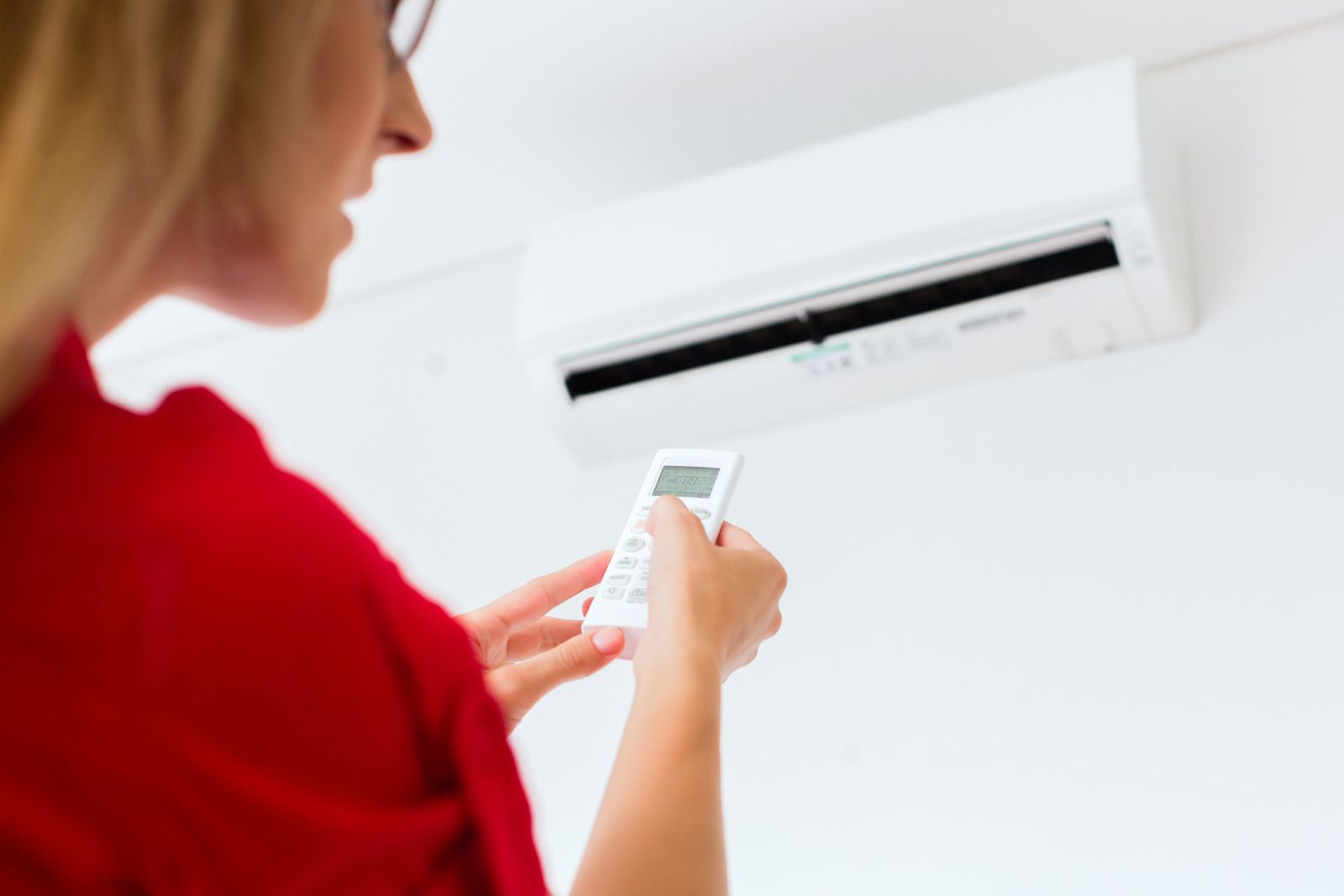
Upgrading to a programmable or smart thermostat alongside system repairs improves comfort, efficiency, and safety. Homeowners can remotely control temperatures, schedule heating cycles, and receive alerts for potential malfunctions. Combining system upgrades with modern thermostats enhances energy efficiency, ensures consistent heating, and prolongs overall system lifespan.
Example Scenario
A family experienced sudden temperature drops in their living room despite setting the thermostat to 70°F. A technician identified a failing thermostat sensor and recommended system integration with a modern programmable thermostat. The upgrade restored consistent temperatures, improved safety, and reduced energy consumption, providing lasting home comfort.
Trusted Technicians Safeguarding Home Heating Efficiency
Recognizing the signs that your home heating system needs repair or an upgrade is essential for maintaining comfort, safety, and energy efficiency. Rising energy bills, uneven heating, unusual noises, frequent repairs, declining air quality, and thermostat inconsistencies are all key indicators that homeowners should address promptly. Proactive maintenance, professional inspections, and timely upgrades prevent costly emergency repairs, enhance indoor air quality, and optimize heating performance throughout the year.
For homeowners in Jeffersonville, Indiana, Service By Shawn HVAC
offers 20
years of professional experience in home heating system installation, maintenance, and repair. Our team of licensed technicians provides thorough inspections, expert repairs, and energy-efficient system upgrades tailored to each home’s unique needs. By choosing Service By Shawn HVAC, you gain access to trusted expertise, high-quality equipment, and personalized solutions designed to maximize comfort and minimize energy costs. Our commitment to professional service and customer satisfaction ensures that your home’s heating system operates safely and efficiently, giving you peace of mind through every winter season. Whether your system requires a minor repair or a full replacement, our experience and dedication make us Jeffersonville’s reliable partner for all heating needs.